Collection: Tourmalines
About tourmalines
Tourmaline Birthstone
FAQs About Tourmaline
Tourmaline: Properties and Benefits
Tourmalines Prices
Tourmaline is a fascinating gemstone known for its incredible variety of colors and unique properties. Found in nearly every shade of the spectrum, it is highly sought after by collectors and gem enthusiasts alike.
Tourmaline is a natural silicate mineral that forms under diverse geological conditions. It is found in many parts of the world, but some of the most prized specimens come from Brazil, Madagascar, Afghanistan, and Nigeria. The stone’s composition allows it to display multiple colors within a single crystal, making each piece truly one of a kind.
Tourmaline is one of the birthstones for October, making it a perfect gift for those born in this month. With its wide range of colors, it offers a personalized choice that aligns with individual tastes and energies. The stone is believed to bring positivity, creativity, and emotional balance to its wearer.
Tourmaline’s natural beauty, diverse colors, and unique properties make it a standout gemstone for collectors and jewelry lovers alike. Whether you’re drawn to its aesthetics or its energetic benefits, this extraordinary stone remains a timeless favorite.
1. Is Tourmaline a Precious Stone?
Tourmaline is classified as a semi-precious gemstone, but certain varieties, such as Paraiba tourmaline and Rubellite, are considered highly valuable due to their rarity and vibrant colors.
2. What Is Tourmaline?
Tourmaline is a natural silicate mineral known for its wide range of colors and unique physical properties. It is a popular gemstone in jewelry and is often associated with energy balancing and protection.
3. What Color Is Tourmaline?
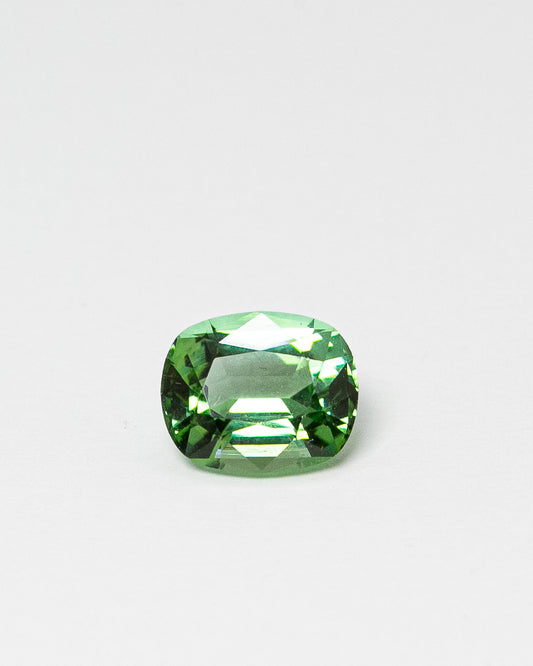
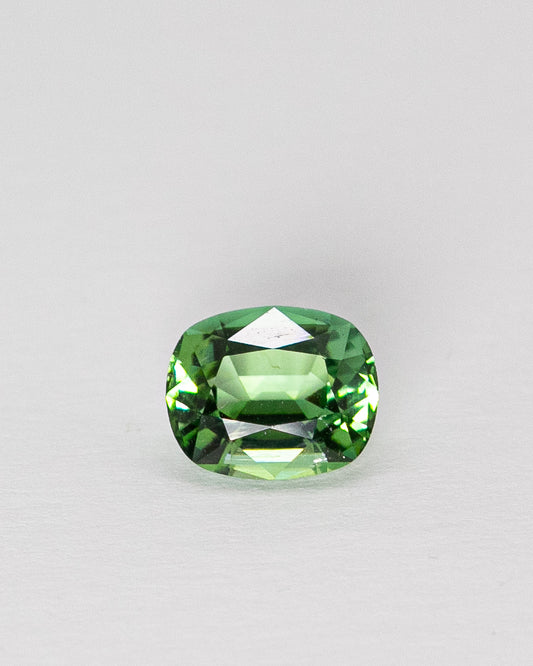
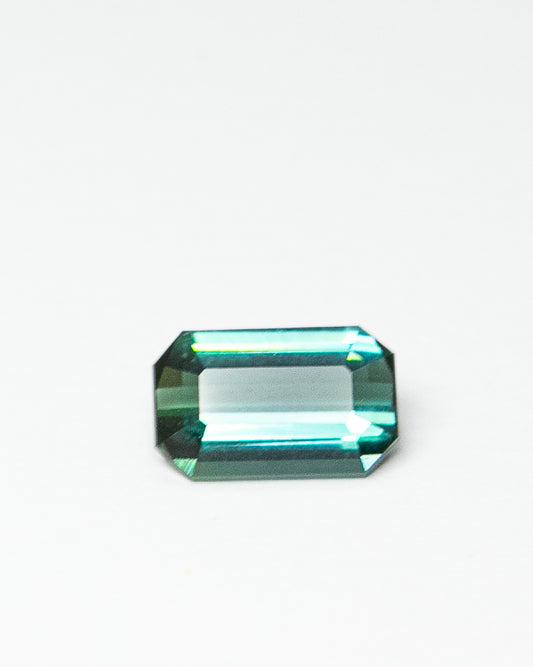
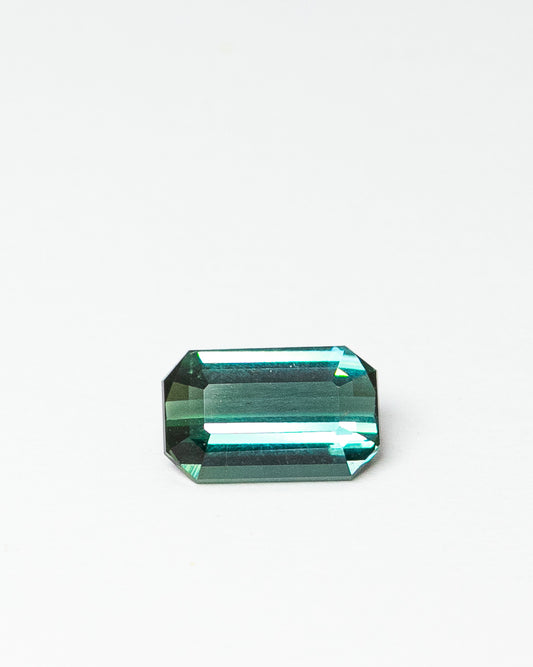
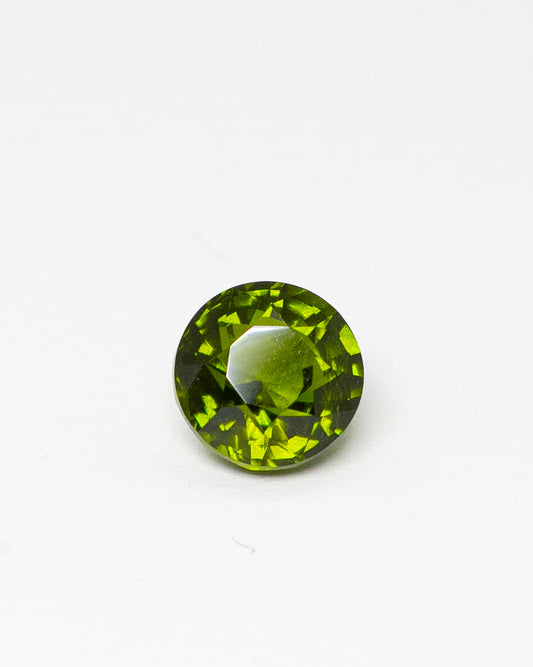
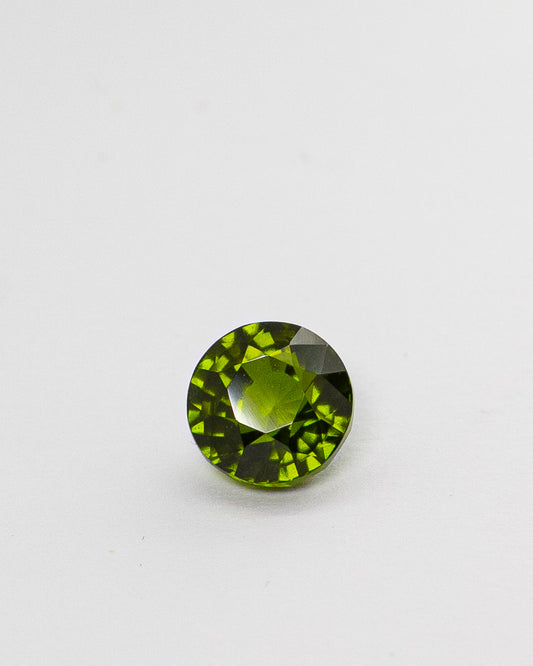
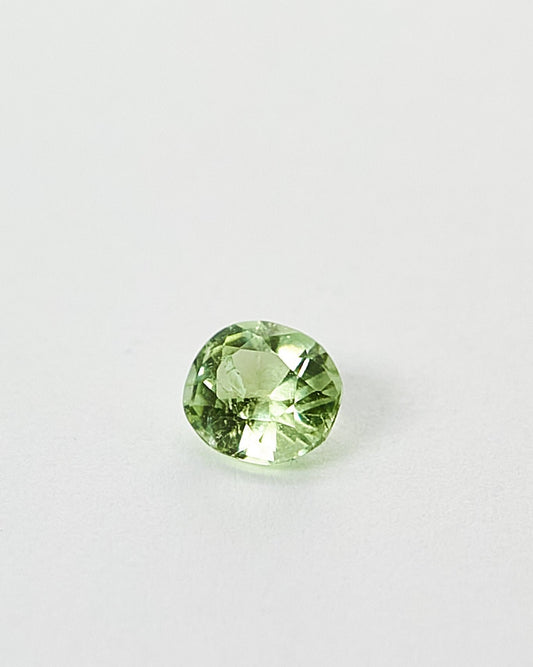
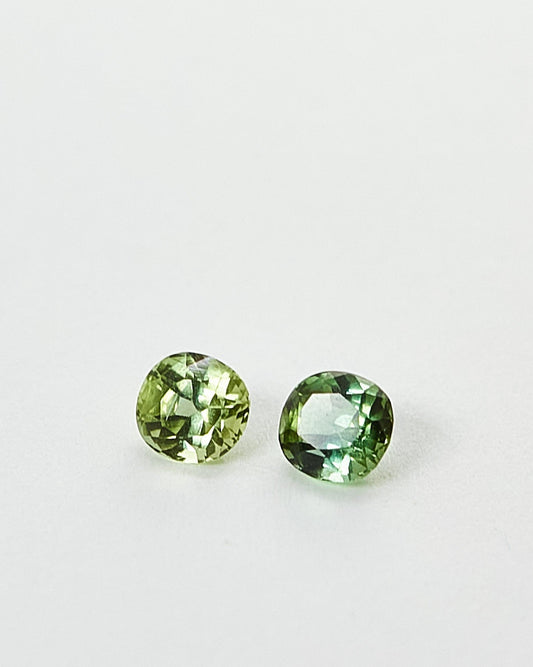
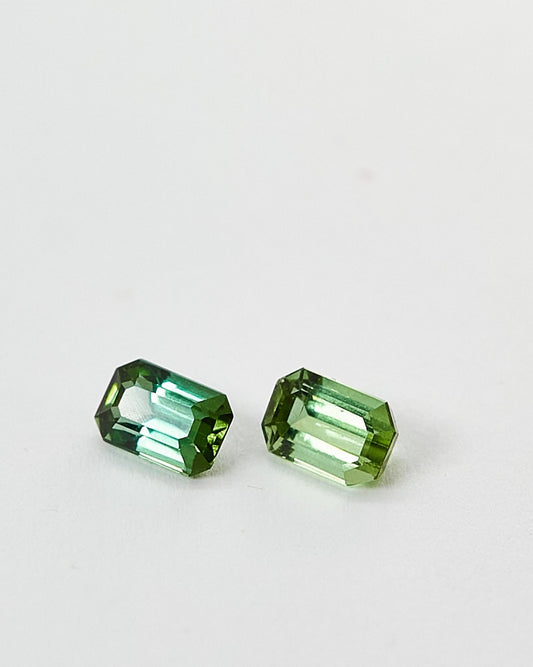
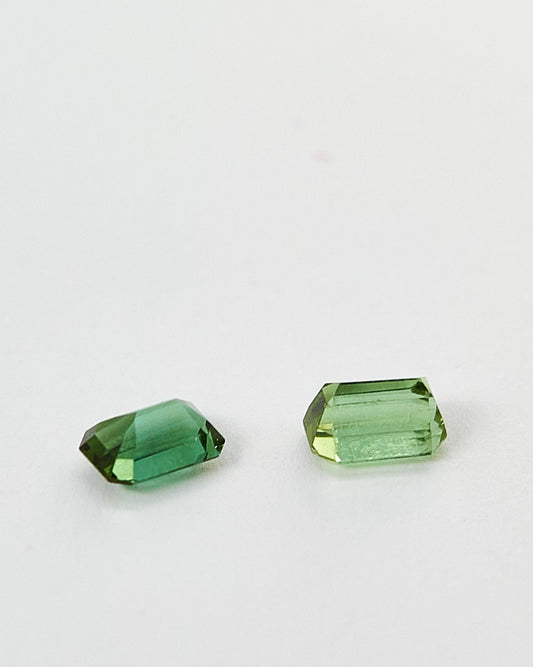
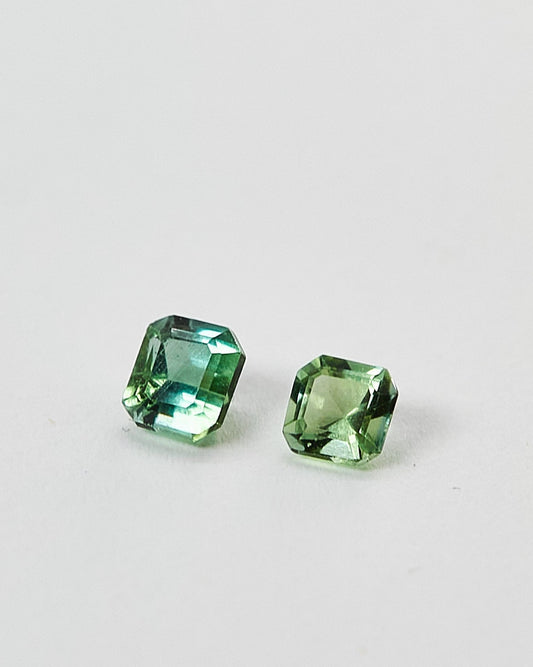
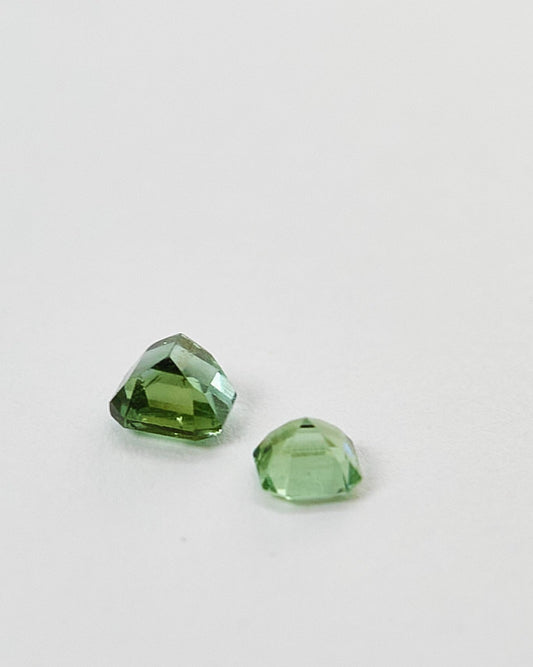
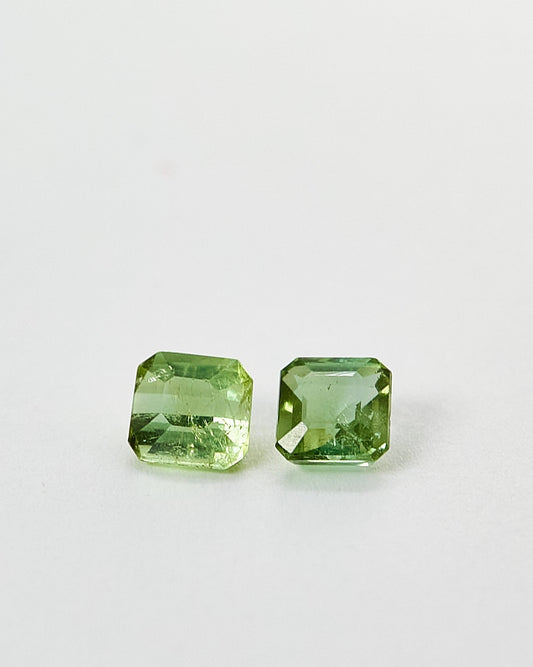
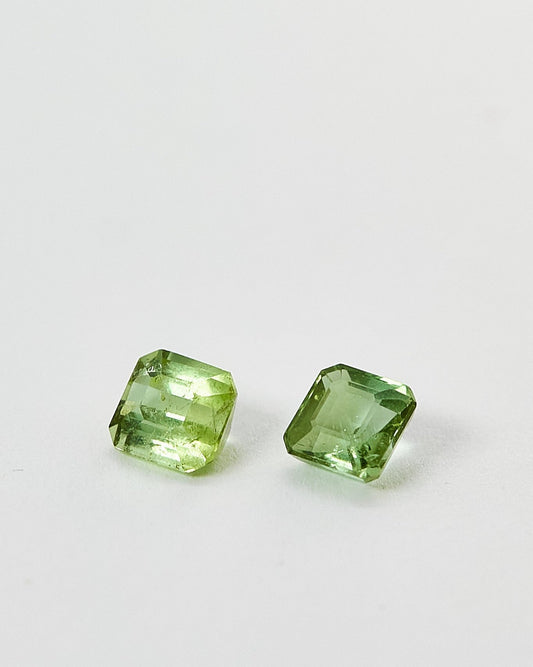
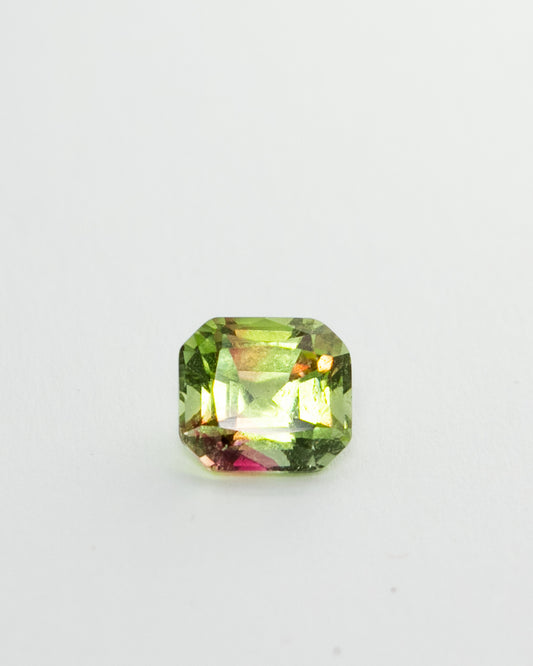
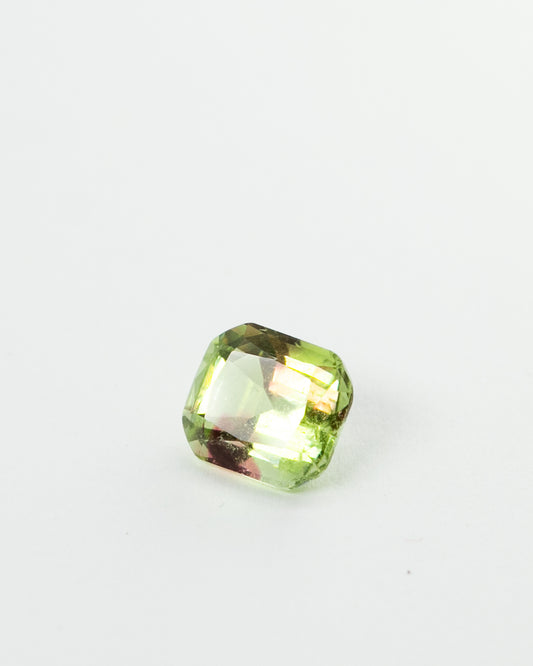
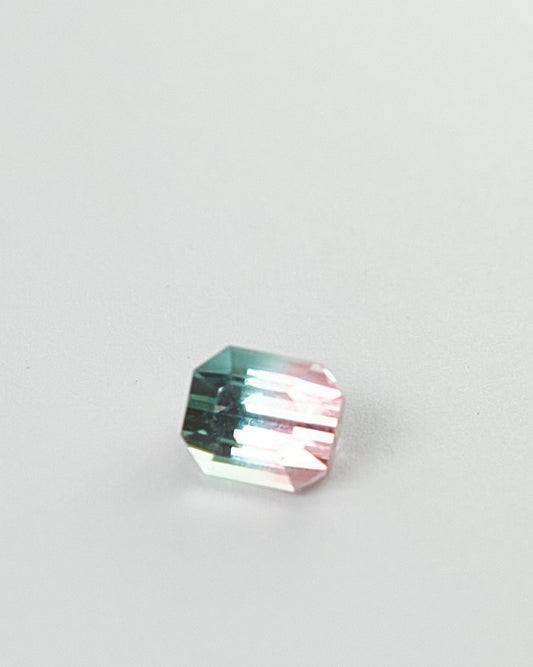
Tourmaline comes in almost every color, including black, pink, green, blue, yellow, red, and even multi-colored varieties like watermelon tourmaline. The exact hue depends on the mineral composition and trace elements present in the crystal.
4. What Is Tourmaline Used For?
Tourmaline is widely used in jewelry, including rings, necklaces, and bracelets. Beyond aesthetics, it is also believed to have healing and protective properties, making it popular in holistic and metaphysical practices.
5. Is Tourmaline Expensive?
The price of tourmaline varies depending on color, clarity, cut, size, and origin. Some types, like Paraiba tourmaline, can be extremely expensive, while more common varieties, such as black tourmaline, are generally affordable.
6. What Does Tourmaline Look Like?
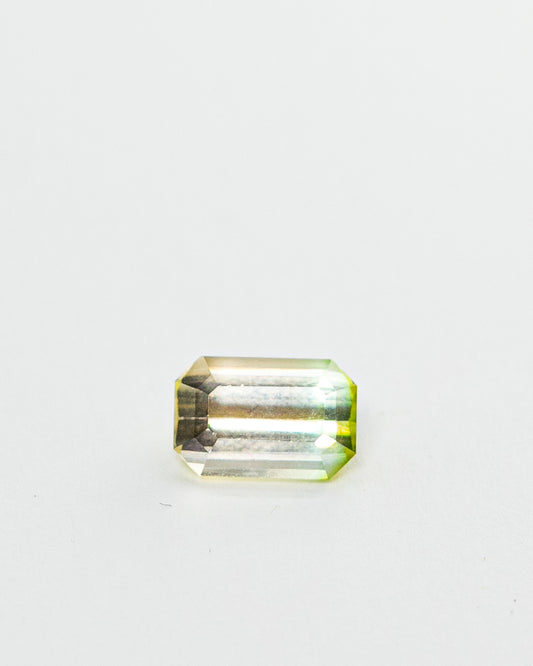
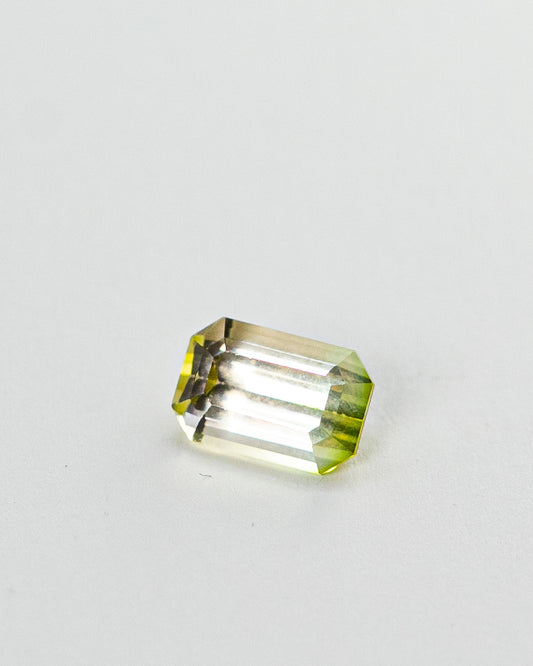
Tourmaline can appear in a wide range of colors and formations. It often has a glassy luster and may be transparent, translucent, or opaque. Some crystals show distinct color zoning, while others, like watermelon tourmaline, have striking multi-color patterns.
7. Where Is Tourmaline Found?
Tourmaline is mined in several countries, including Brazil, Madagascar, Afghanistan, Nigeria, Mozambique, and the United States (California and Maine). Some of the most valuable specimens, like Paraiba tourmaline, come from specific regions in Brazil and Africa.
8. Is Pink Tourmaline Expensive?
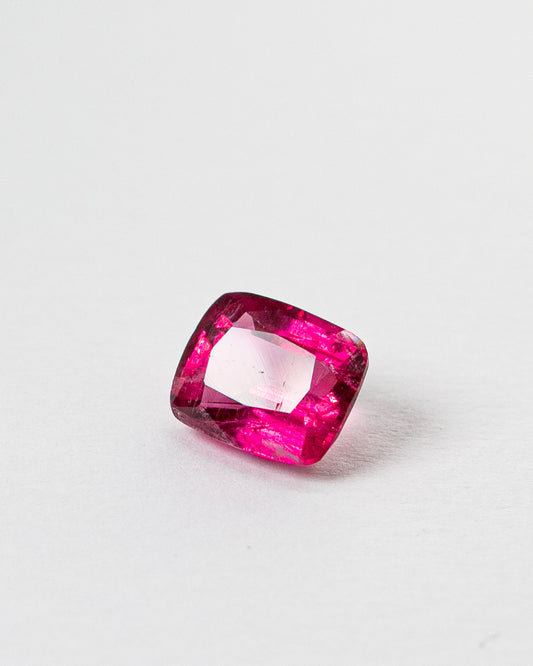
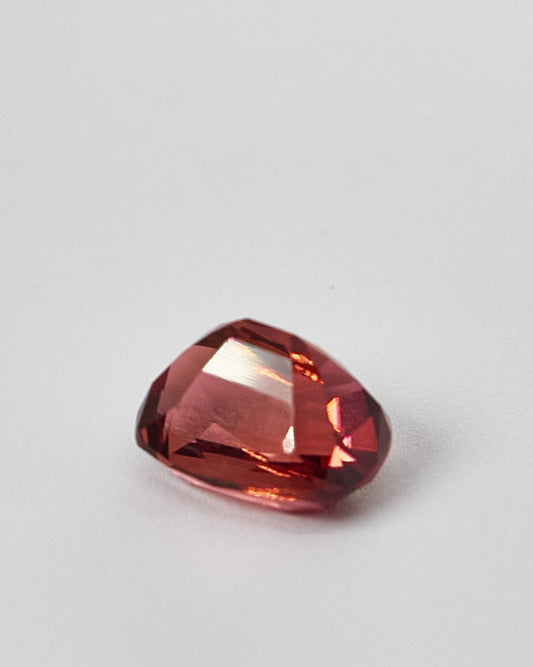
Pink tourmaline’s price depends on its shade, clarity, and size. Deeper pink to red hues, known as Rubellite, are more valuable, while lighter pink tourmalines are generally more affordable.
9. How Hard Is Tourmaline?
Tourmaline ranks 7 to 7.5 on the Mohs hardness scale, making it a durable gemstone for everyday wear. However, it can still be scratched by harder materials like sapphires or diamonds.
10. What Does Tourmaline Symbolize?
Tourmaline is believed to promote protection, energy balance, and emotional healing. Different colors are associated with various properties – for example, black tourmaline is linked to protection, while pink tourmaline is thought to encourage love and compassion.
11. How to Clean Tourmaline?
To clean tourmaline, use warm, soapy water and a soft brush to remove dirt and debris. Avoid ultrasonic or steam cleaners, as some tourmalines contain inclusions that make them sensitive to heat and vibration. Always dry the stone with a soft cloth after cleaning.
If you’re interested in energetically cleansing the stone, use the power of nature. Place the stone in a pouch under running water (such as a river or stream) or bury it in the ground for a few days.
Tourmaline is classified as a semi-precious gemstone, but certain varieties, such as Paraiba tourmaline and Rubellite, are considered highly valuable due to their rarity and vibrant colors.
2. What Is Tourmaline?
Tourmaline is a natural silicate mineral known for its wide range of colors and unique physical properties. It is a popular gemstone in jewelry and is often associated with energy balancing and protection.
3. What Color Is Tourmaline?
Tourmaline comes in almost every color, including black, pink, green, blue, yellow, red, and even multi-colored varieties like watermelon tourmaline. The exact hue depends on the mineral composition and trace elements present in the crystal.
4. What Is Tourmaline Used For?
Tourmaline is widely used in jewelry, including rings, necklaces, and bracelets. Beyond aesthetics, it is also believed to have healing and protective properties, making it popular in holistic and metaphysical practices.
5. Is Tourmaline Expensive?
The price of tourmaline varies depending on color, clarity, cut, size, and origin. Some types, like Paraiba tourmaline, can be extremely expensive, while more common varieties, such as black tourmaline, are generally affordable.
6. What Does Tourmaline Look Like?
Tourmaline can appear in a wide range of colors and formations. It often has a glassy luster and may be transparent, translucent, or opaque. Some crystals show distinct color zoning, while others, like watermelon tourmaline, have striking multi-color patterns.
7. Where Is Tourmaline Found?
Tourmaline is mined in several countries, including Brazil, Madagascar, Afghanistan, Nigeria, Mozambique, and the United States (California and Maine). Some of the most valuable specimens, like Paraiba tourmaline, come from specific regions in Brazil and Africa.
8. Is Pink Tourmaline Expensive?
Pink tourmaline’s price depends on its shade, clarity, and size. Deeper pink to red hues, known as Rubellite, are more valuable, while lighter pink tourmalines are generally more affordable.
9. How Hard Is Tourmaline?
Tourmaline ranks 7 to 7.5 on the Mohs hardness scale, making it a durable gemstone for everyday wear. However, it can still be scratched by harder materials like sapphires or diamonds.
10. What Does Tourmaline Symbolize?
Tourmaline is believed to promote protection, energy balance, and emotional healing. Different colors are associated with various properties – for example, black tourmaline is linked to protection, while pink tourmaline is thought to encourage love and compassion.
11. How to Clean Tourmaline?
To clean tourmaline, use warm, soapy water and a soft brush to remove dirt and debris. Avoid ultrasonic or steam cleaners, as some tourmalines contain inclusions that make them sensitive to heat and vibration. Always dry the stone with a soft cloth after cleaning.
If you’re interested in energetically cleansing the stone, use the power of nature. Place the stone in a pouch under running water (such as a river or stream) or bury it in the ground for a few days.
Tourmaline is often associated with protection, balance, and energy cleansing. Many believe it has grounding properties that help absorb negative energy and promote emotional stability. Each color variation is thought to carry distinct metaphysical benefits, from calming effects to enhancing creativity and confidence.
Several factors affect the value of tourmaline, including:
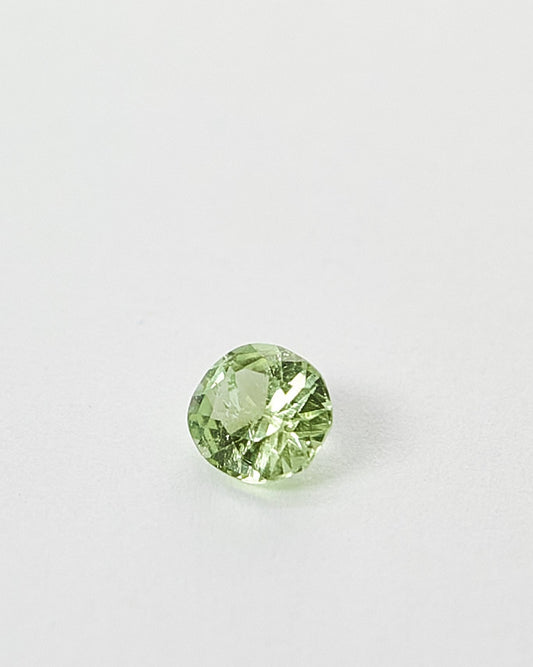
• Color – Vivid and rare hues like Paraiba (neon blue-green) and Rubellite (deep pink-red) are highly valuable.
• Clarity – Tourmalines with fewer inclusions and high transparency are more prized.
• Cut – A well-cut stone enhances brilliance and color intensity.
• Size – Larger, high-quality tourmalines are rare and command higher prices.
• Origin – Some sources, like Brazilian Paraiba tourmalines, significantly influence value due to their rarity.
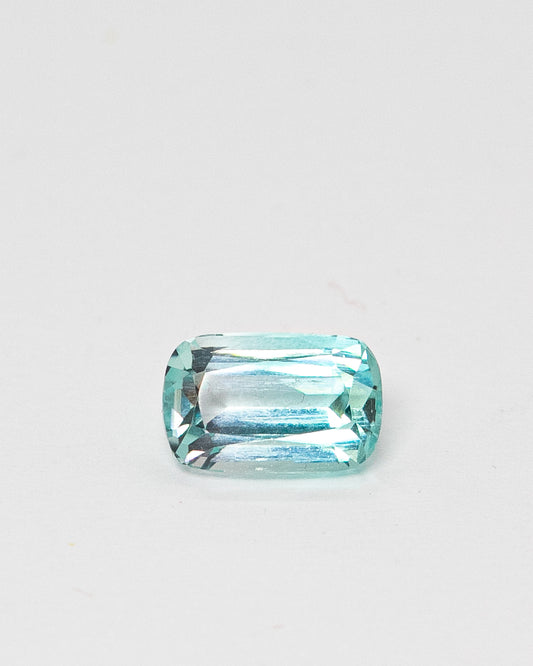
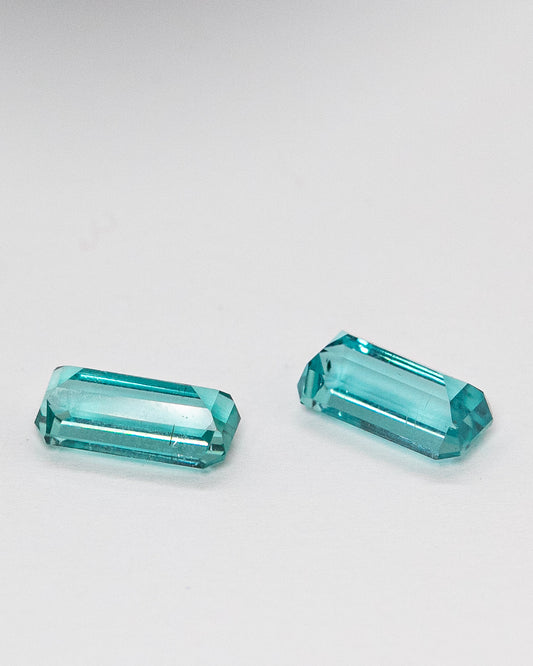
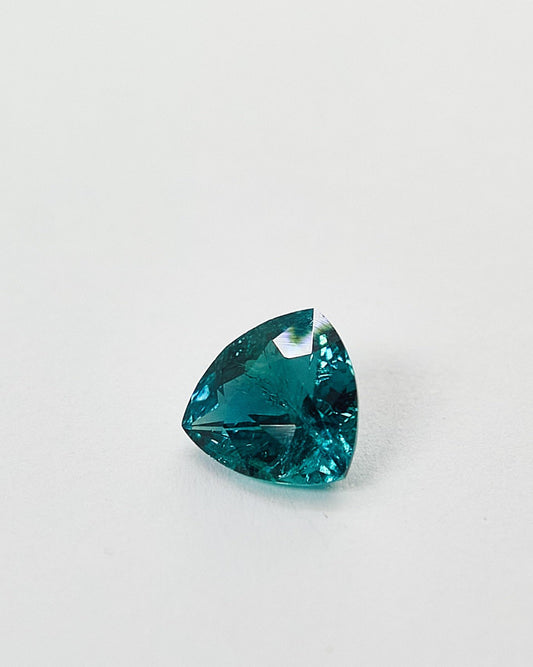
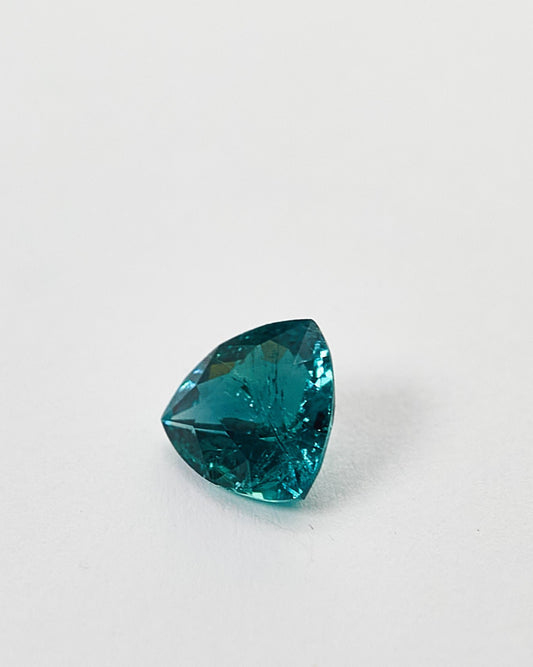
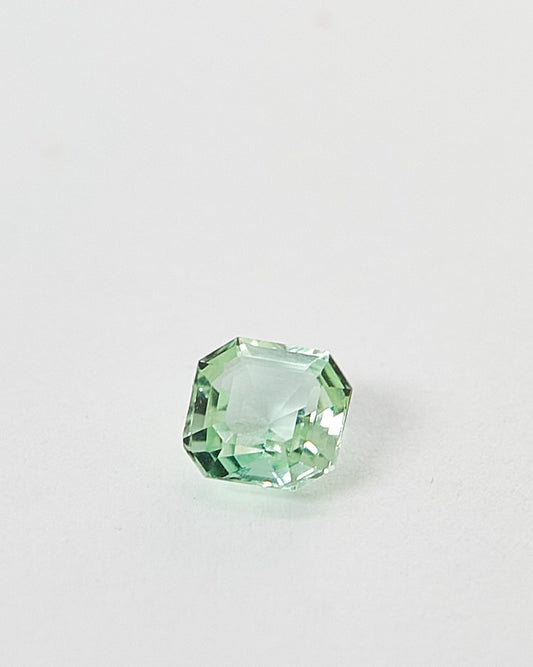
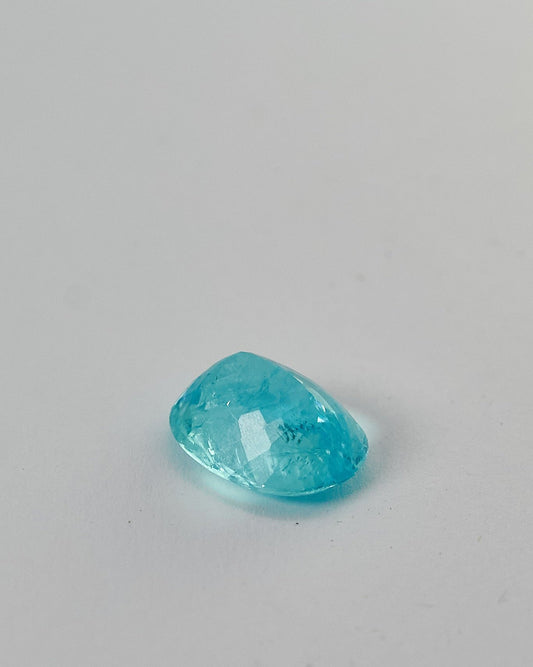
The most in-demand tourmalines right now are all neon shades—Lagoon, Tiffany Blue, and Sea Foam. These stunning colors are primarily found in Afghanistan and are highly sought after for their vibrant glow.
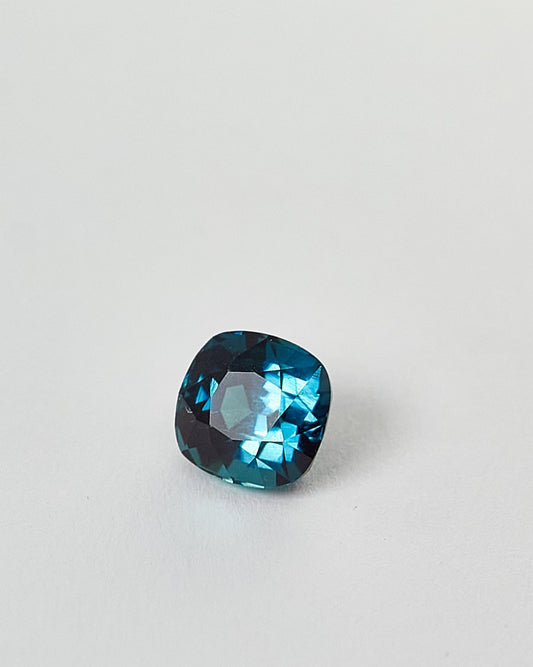
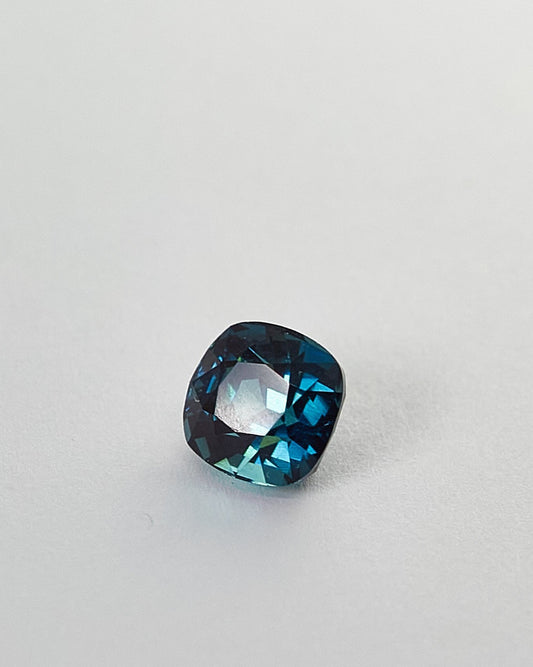
Indicolites (blue tourmalines) are also highly valued, especially the Ink Blue shade, which is the most expensive and rarest among indicolites.
Neon tourmalines are experiencing the fastest price growth. Last year, Tiffany Blue shades were priced at $300–$400 per carat in 2024, but now they start at $600 and higher.
• Color – Vivid and rare hues like Paraiba (neon blue-green) and Rubellite (deep pink-red) are highly valuable.
• Clarity – Tourmalines with fewer inclusions and high transparency are more prized.
• Cut – A well-cut stone enhances brilliance and color intensity.
• Size – Larger, high-quality tourmalines are rare and command higher prices.
• Origin – Some sources, like Brazilian Paraiba tourmalines, significantly influence value due to their rarity.
The most in-demand tourmalines right now are all neon shades—Lagoon, Tiffany Blue, and Sea Foam. These stunning colors are primarily found in Afghanistan and are highly sought after for their vibrant glow.
Indicolites (blue tourmalines) are also highly valued, especially the Ink Blue shade, which is the most expensive and rarest among indicolites.
Neon tourmalines are experiencing the fastest price growth. Last year, Tiffany Blue shades were priced at $300–$400 per carat in 2024, but now they start at $600 and higher.
-
Tourmaline Bicolor 11.1ct Afghanistan 12.1×11×9.5mm
11.1 ctRegular price CHF 1,351.00Regular priceUnit price / perSale price CHF 1,351.00 -
Tourmaline 5.0ct Pink Afghanistan 12.2×9.2×6.8mm
5.0 ctRegular price CHF 1,067.00Regular priceUnit price / perSale price CHF 1,067.00 -
Tourmaline Paraiba 3.38ct Mozambique
3.38 ctRegular price CHF 9,842.56Regular priceUnit price / perSale price CHF 9,842.56 -
Green Tourmaline
2.1 ctRegular price CHF 370.00Regular priceUnit price / perSale price CHF 370.00 -
Sold outLagoon Blue Tourmaline
1.8 ctRegular price CHF 370.00Regular priceUnit price / perSale price CHF 370.00Sold out -
Sold outGreen Tourmaline 2.9ct
2.9 ctRegular price CHF 400.00Regular priceUnit price / perSale price CHF 400.00Sold out -
Sold outLight Blue Tourmaline 9.4ct
4.43 ctRegular price CHF 2,350.00Regular priceUnit price / perSale price CHF 2,350.00Sold out -
Sold outPair of Blue Tourmalines 4.4ct
4.4 ctRegular price CHF 880.00Regular priceUnit price / perSale price CHF 880.00Sold out -
Sold outFuxia Pink Tourmaline 6ct
6.0 ctRegular price CHF 1,500.00Regular priceUnit price / perSale price CHF 1,500.00Sold out -
Berry Rubellite
2.6 ctRegular price CHF 390.00Regular priceUnit price / perSale price CHF 390.00 -
Bicolour Mint and Red Tourmaline 2.6ct
2.6 ctRegular price CHF 150.00Regular priceUnit price / perSale price CHF 150.00 -
Bicolour Tourmaline 1.25ct
1.25 ctRegular price CHF 62.00Regular priceUnit price / perSale price CHF 62.00 -
Sold outMint Tourmaline 1.45ct
1.45 ctRegular price CHF 85.00Regular priceUnit price / perSale price CHF 85.00Sold out -
Sold outTourmaline Lagoon Blue
2.35 ctRegular price CHF 750.00Regular priceUnit price / perSale price CHF 750.00Sold out -
Sold outVine Tourmaline 5.4ct
5.4 ctRegular price CHF 1,500.00Regular priceUnit price / perSale price CHF 1,500.00Sold out -
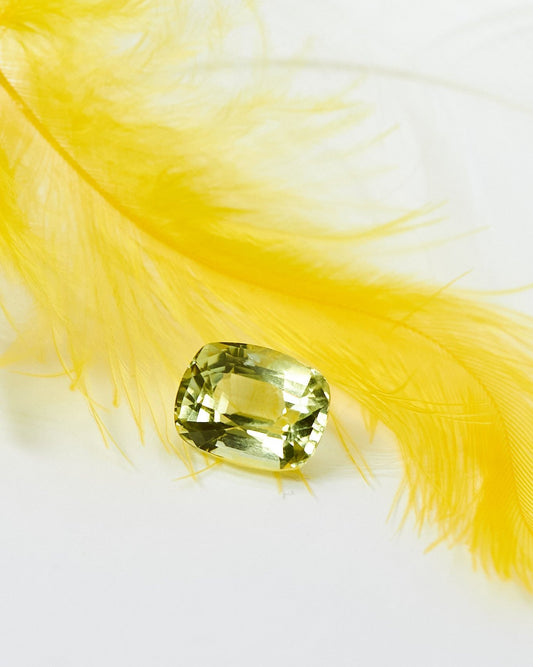
Sold outYellow-Green Tourmaline 7.65ct
7.65 ctRegular price CHF 1,450.00Regular priceUnit price / perSale price CHF 1,450.00Sold out -
Sold outPair of Pink Tourmalines 8.35ct
8.35 ctRegular price CHF 180.00Regular priceUnit price / perSale price CHF 180.00Sold out -
Pink Tourmaline
1.2 ctRegular price CHF 90.00Regular priceUnit price / perSale price CHF 90.00 -
Light Pink Tourmaline
1.4 ctRegular price CHF 105.00Regular priceUnit price / perSale price CHF 105.00 -
Neon mint Tourmaline
0.75 ctRegular price CHF 56.00Regular priceUnit price / perSale price CHF 56.00 -
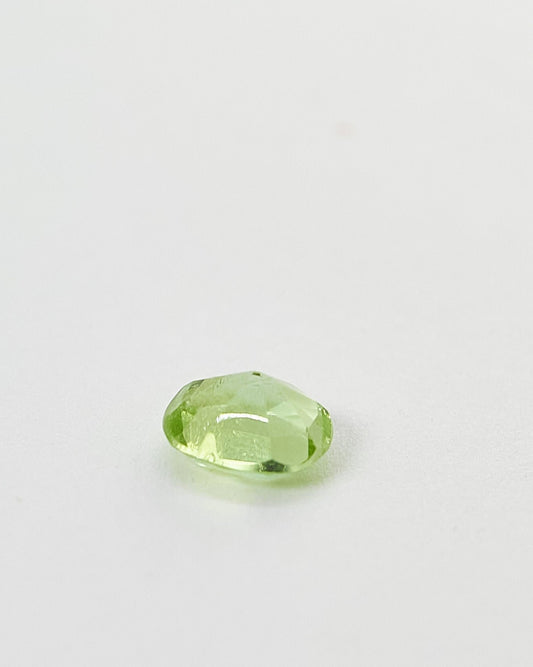
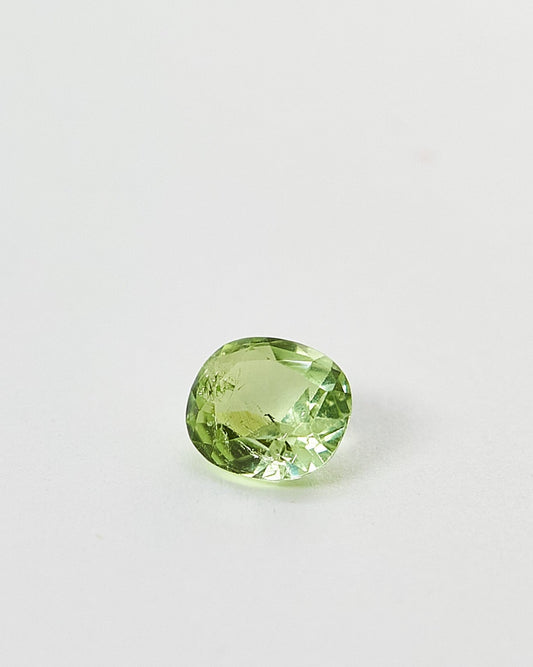
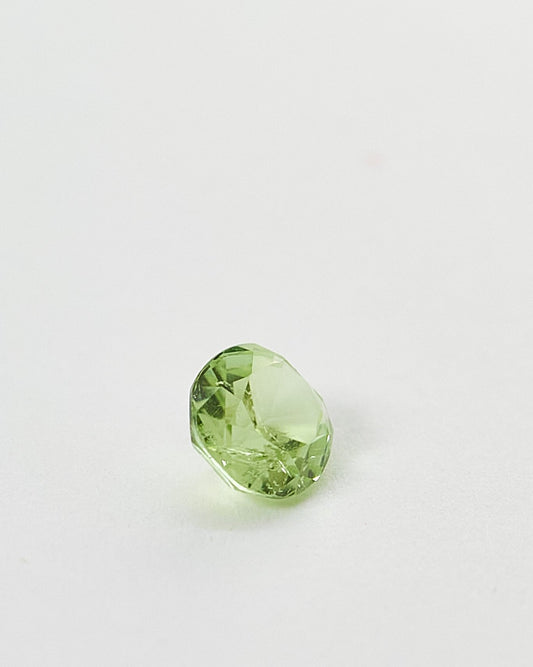
Green Tourmaline
0.95 ctRegular price CHF 71.00Regular priceUnit price / perSale price CHF 71.00 -
Pair of Reverse Green Tourmalines
1.1 ctRegular price CHF 82.50Regular priceUnit price / perSale price CHF 82.50 -
Pair of Green Tourmalines
1.8 ctRegular price CHF 135.00Regular priceUnit price / perSale price CHF 135.00 -
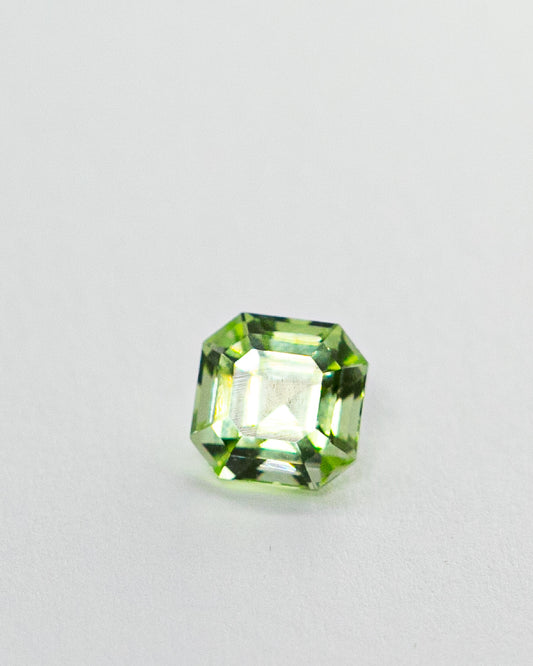
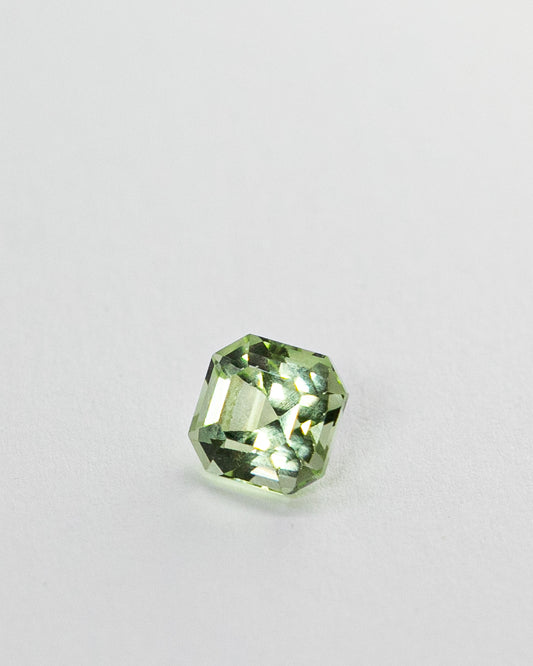
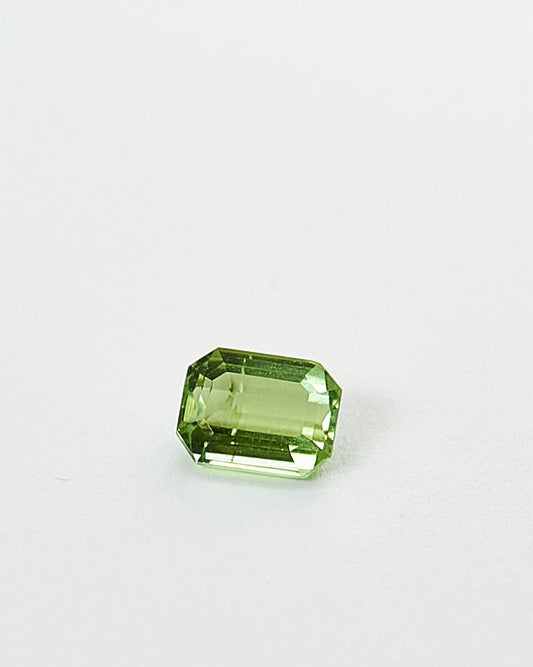
Mint Tourmaline in Assher Cut
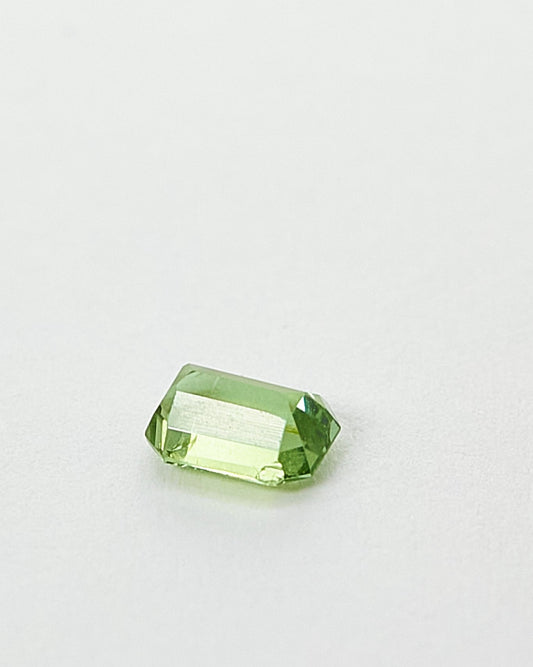
1.35 ctRegular price CHF 101.00Regular priceUnit price / perSale price CHF 101.00 -
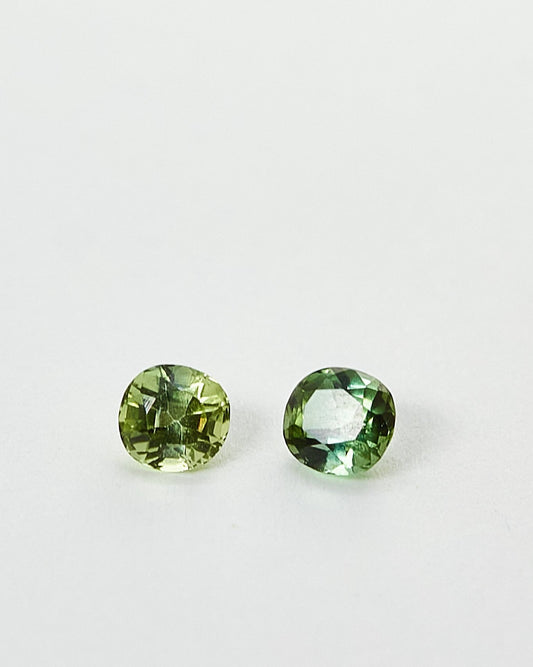
Neon mint Tourmaline
1.2 ctRegular price CHF 90.00Regular priceUnit price / perSale price CHF 90.00 -
Pair of Lagoon Tourmalines
0.8 ctRegular price CHF 60.00Regular priceUnit price / perSale price CHF 60.00 -
Pair of Green Tourmalines
1.95 ctRegular price CHF 146.25Regular priceUnit price / perSale price CHF 146.25 -
Sold outParaiba Tourmaline 6.85ct
6.85 ctRegular price CHF 33,999.00Regular priceUnit price / perSale price CHF 33,999.00Sold out -
Red wine Tourmaline 12.6ct
12.6 ctRegular price CHF 2,800.00Regular priceUnit price / perSale price CHF 2,800.00 -
Sold outTourmaline Indicolite 2.22ct
2.22 ctRegular price CHF 920.00Regular priceUnit price / perSale price CHF 920.00Sold out